
San Jose’s first real heat wave usually exposes every weakness in a mini-split system that has been ignored since last summer. Maybe a bedroom never quite cools down, or the indoor unit runs nonstop while your PG&E bill climbs. By the time you notice, every HVAC company in town is booked and you are stuck waiting for service during the hottest week of the year.
That stressful scramble is exactly what seasonal maintenance is meant to avoid. A ductless mini-split is very efficient, but it still breathes air, moves heat, and drains water. Local weather, with long dry summers and cooler, damp nights in winter, gives these systems a steady workout. A little attention before each season keeps them from slipping quietly out of peak performance until a heat wave or cold snap exposes the problem.
At A-1 Heating and Cooling, we have been helping San Jose and Northern California homeowners stay comfortable since 1983. After four decades of working on mini-splits and other HVAC systems in this area, we see the same preventable issues every spring and fall. In this guide, we walk through practical pre-summer and pre-winter mini-split maintenance steps tailored to San Jose homes, and show you where simple homeowner habits end and professional care really pays off.
Why Mini-Split Maintenance Matters More in San Jose’s Climate
San Jose’s climate is mild compared to many parts of the country, but it is not gentle on HVAC equipment. We have long stretches of dry, sunny weather, an extended cooling season, and stretches of smoky or dusty air. Your mini-split’s indoor units pull that air through their filters and coils day after day. Over time, dust and fine particles clog those surfaces, and the system has to work harder to deliver the same comfort.
Many homeowners choose mini-splits because they have heard they are low maintenance. That part is true. There are no ducts to clean and no large furnace filter in a closet. The part that causes trouble is the leap from “low maintenance” to “no maintenance.” When indoor filters are neglected, outdoor units get crowded by landscaping or storage, and no one checks the drain, the system slowly loses capacity. You may notice rooms that take longer to cool, a faint musty smell, or a unit that becomes noisier over time.
Our technicians see the result of this every year around the first serious heat wave. Systems that have run “fine” for months suddenly cannot keep up when it hits the 90s. Heads in upstairs rooms struggle, outdoor units overheat because airflow is blocked, and clogged drains start dripping inside. San Jose’s long cooling season makes regular mini-split care more important, not less, because your equipment spends much of the year under load. A few simple steps, combined with a yearly professional tune-up, keep that load from turning into early wear and surprise breakdowns.
Know Your Ductless Mini-Split: Key Parts a Homeowner Should Watch
You do not need to be an HVAC technician to keep an eye on your mini-split. It helps to know what you are looking at when you open the indoor unit or glance at the outdoor section on the side yard or balcony. Think of your system as two boxes connected by small insulated lines. The indoor air handler moves air around your room, and the outdoor unit moves heat in or out of the house.
Inside, behind the plastic front panel, you will find the air filters and the cold coil, often called the evaporator coil in cooling mode. The filters are usually lightweight plastic or mesh screens that slide out. They catch dust, pet hair, and other particles before they reach the coil. The coil itself is a tight bundle of thin metal fins wrapped around tubing that carries refrigerant. Air passes across this coil, either dropping heat into it in cooling mode, or picking up heat from it in heating mode. When the coil and filters get dirty, airflow drops and comfort suffers.
On the outdoor unit, there is another coil and a fan that must push a lot of air through those thin fins. In cooling mode, this coil is where your home’s heat is released outside. For that to happen efficiently, the fan needs a clear path to move air. Tall grass, stored bikes, yard tools, or shrubs crowding around the cabinet can choke that airflow. You also have a condensate drain connected to each indoor unit. In cooling mode, the cold coil causes moisture to condense on its surface, then drip into a pan and out through the drain line. If that line clogs, water backs up and finds its way down a wall or onto a floor.
During our tune-ups, we walk San Jose homeowners through these components so they can recognize normal versus potential trouble later. Once you know where your filters, coils, outdoor fan, and drain exits are, the seasonal checks described in the next sections feel much more straightforward.
Pre-Summer Mini-Split Checklist for San Jose Homes
The best time to prepare your mini-split for summer is before the first heat wave, not after. A quick, focused inspection in late spring allows you to fix small issues while the weather is still comfortable and schedules are more open. This is where homeowners can do a lot of good with a modest amount of time.
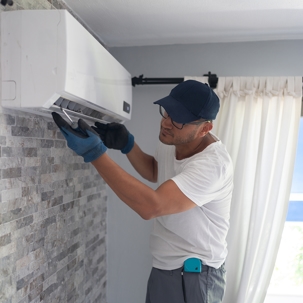
Start with the indoor filters. Turn the unit off, open the front cover, and gently remove the filters. Most can be vacuumed or rinsed in lukewarm water. Allow them to dry completely before reinstalling. In San Jose, during peak summer use, many homes do best checking these filters every one to two months, especially in rooms that see heavy use, have pets, or are near busy roads. If you see heavy buildup returning quickly, that is a sign your system is working through dusty or smoky air and needs more frequent attention.
Next, look at the indoor unit itself with the filters removed. You should see clean, evenly spaced fins on the coil and a clean plastic interior. If you notice a mat of lint or fuzz on the coil, dark streaks, visible mold, or heavy dust inside the housing, cleaning the filters alone will not solve the problem. At that point, a professional coil cleaning is the safer choice, because harsh scrubbing or the wrong chemicals can damage the delicate fins and surfaces.
Then walk outside and check the outdoor unit. Clear a couple of feet of space all around it. Trim back shrubs, move stored items, and make sure nothing overhangs the top that might drop leaves or debris into the fan. On hot San Jose afternoons, that outdoor unit is releasing large amounts of heat into the air. When the coil is covered in dirt or the fan is boxed in, pressure rises inside the system and it must strain to move the same amount of heat. That strain shows up as higher energy use and, in many cases, shortened component life.
Finally, pick a warm day and run the system in cooling mode before summer hits full force. Set the temperature a few degrees below your normal setting, and let it run for at least 15 to 20 minutes. Check that cool air is coming out strongly, that the room temperature is dropping, and that you do not see any water dripping from the indoor unit where it should not. If you see error codes, hear unusual noises, or feel only mildly cool air, those are signs to have a technician inspect the system before the heat ramps up.
Safe DIY Tasks vs. When to Call a Pro Before Summer
Homeowners can safely handle filter cleaning, basic visual inspections, and simple test runs. You can open the front cover, wash or vacuum filters, confirm there is nothing blocking your outdoor unit, and use your remote or wall control to move through the modes. These steps alone go a long way in keeping your mini-split breathing freely and ready for heavier summer use.
Tasks like deep coil cleaning, checking the refrigerant circuit, tightening electrical connections, and inspecting the condensate pump or drain pan should be left to a trained HVAC technician. We use the right tools and cleaners, measure electrical values, and check system performance under load. For example, a system that is undercharged or slightly overcharged with refrigerant might still cool somewhat, but it will run inefficiently and may shorten compressor life. Those are issues most homeowners will not catch until they become expensive problems. Scheduling a professional maintenance visit before summer is how many San Jose customers avoid no-cool calls during the first big heat wave.
Pre-Winter Mini-Split Maintenance to Keep San Jose Nights Comfortable
San Jose winters rarely bring extreme cold, but our nights do get chilly enough that you rely on your mini-split to take the edge off. Because many homeowners mostly think of mini-splits as cooling equipment, pre-winter checks often get overlooked. A few simple steps ensure the system is ready to heat when you need it.
As fall approaches, switch one of your indoor units over to heating mode on a cool evening and test it. Set the temperature several degrees above the current room temperature and let it run. You should feel warm air after a short delay, and the room should gradually warm up. Testing early gives you time to fix any heating issues before you are depending on the system every night.
In heating mode, your mini-split reverses its refrigerant flow using an internal valve. The outdoor unit is now pulling heat from the outside air and the indoor coil is delivering that heat into your room. On colder or damp days, you may see some frost form on the outdoor coil, and the system will occasionally run a defrost cycle. During defrost, it can blow slightly cooler air indoors for a short period. This can surprise homeowners who are not expecting it, but it is normal behavior for a heat pump type system.
Before winter, take another look at the outdoor unit. Summer activities often lead to more bikes, planters, or storage items on patios and near side yards. Make sure nothing has migrated closer to the unit than it should be. Also look for signs of rust or corrosion on the cabinet, especially if your unit is exposed to morning fog or sits in a damp corner. These are issues our technicians keep an eye on during fall tune-ups, because they can hint at future reliability problems if ignored.
Finally, give your filters another cleaning in late fall. After months of summer usage, pollen season, and possible wildfire smoke, your filters are likely carrying a heavy load. Starting the heating season with clean filters improves airflow and keeps winter dust from compounding the buildup. When we tailor maintenance visits for San Jose homeowners, we look at both summer cooling and winter heating performance so you have consistent comfort across seasons, not just when the air conditioner is on.
How Wildfire Smoke, Dust, and Pollen Affect Your Mini-Split
Air quality has become a bigger concern across the Bay Area in recent years, and your mini-split is right in the middle of it. During wildfire smoke events, your indoor units are often running more hours with windows closed. Fine particles from smoke and heavy pollen seasons load up those small filters and the coil surfaces behind them much faster than most people expect.
When filters and coils get coated in this fine dust and smoke residue, airflow becomes restricted and heat transfer suffers. You might notice a persistent odor when the unit first starts, or see a film on the filters even after what feels like a short time. Allergy or asthma symptoms can flare because particles are re-suspended when the fan kicks on. The system may still move some air, but it has to run longer to deliver the same comfort.
In homes near busy roads or in neighborhoods that see more smoke or dust, we often recommend checking and cleaning mini-split filters more frequently than the bare minimum. During and after heavy smoke events, a monthly check during active use is often wise. If you pull the filters and find them heavily loaded, that is a signal the indoor coil surfaces may also be dirty. At that stage, a professional cleaning helps remove buildup you cannot safely reach with a cloth or household cleaner.
Because A-1 Heating and Cooling also works on indoor air quality solutions, we see firsthand how mini-split cleanliness ties into the air you breathe. Clean filters and coils not only help protect the equipment, they support healthier indoor air during the times you are most likely to keep windows shut. In a city where wildfire smoke and pollen can suddenly change your air quality for days at a time, folding this into your maintenance habits can make a real difference.
How Often Should San Jose Homeowners Schedule Professional Mini-Split Maintenance?
Homeowner maintenance and professional service complement each other. Filters and basic checks belong to you, and deeper inspection and adjustments belong to a trained HVAC technician. The question we hear often from San Jose homeowners is how often they should bring us in if the system seems fine.
For many homes with normal usage, scheduling at least one professional maintenance visit per year for your mini-split is a good baseline. If you have multiple indoor heads, use the system heavily for both cooling and heating, or have pets and allergy concerns, more frequent service may make sense. During a tune-up, we do more than rinse filters. We check electrical connections, inspect coils, test the condensate drain, confirm the outdoor unit has proper clearance, and verify that the system responds correctly in both cooling and heating modes when practical.
Technicians also look at performance indicators that homeowners cannot see. For example, we pay attention to temperature differences, how quickly the system reaches setpoint, and whether readings fall within expected ranges. These checks can uncover low refrigerant charge, weak capacitors, or fans that are beginning to fail. Left alone, these issues often show up later as a total loss of cooling on a hot day or loss of heating on a cold night, usually at the most inconvenient time.
Because A-1 Heating and Cooling offers comprehensive HVAC solutions and ongoing membership options, many customers choose a plan that includes scheduled tune-ups and priority service. Instead of trying to remember when you last had your mini-split checked, you get reminders and visits at sensible intervals tied to your usage. The benefit is straightforward. Your system tends to stay efficient, small problems are caught early, and you are not starting from scratch every time you need service.
Simple Habits That Keep Your Mini-Split Running Smoothly All Year
Between professional visits, a few simple habits go a long way toward keeping your mini-split healthy. Think of them as quick check-ins rather than big projects. Set a recurring reminder on your phone every month or two during heavy use to pop the front cover, look at the filters, and give the indoor unit a quick visual once-over.
Listen when the system starts up and runs. New rattling noises, a change in fan sound, or a sudden whistle can be early hints of a problem. Take a moment to look at the outdoor unit when you are in the yard. Make sure nothing has crept closer, such as a trash can, storage bin, or a new plant. Check the area around the indoor unit for any sign of moisture or staining that could hint at a slow condensate issue.
Smart use of your remote or wall control also helps. Avoid extreme setpoint swings, like dropping the temperature far lower than you actually want in hopes the room will cool faster. A mini-split delivers its capacity at a certain rate, and big swings just force it to run longer and harder. Use a reasonable, steady setting and let the system do its work. Many of the comfort complaints we hear in San Jose turn out to be control habits rather than equipment problems.
As a family-owned company, we share these habits with our own families and neighbors, because they reduce surprises and make our maintenance visits more about fine tuning than fixing big failures. When you pair these small routines with regular professional care, your mini-split is more likely to stay efficient and reliable through both summer heat and winter chill.
Keep Your Mini-Split Ready for Every San Jose Season
A ductless mini-split can keep your home comfortable through long San Jose summers and cool winter nights, but only if it can breathe freely, drain properly, and move heat the way it was designed to. Seasonal maintenance is how you protect that performance. Cleaning filters, keeping an eye on the indoor and outdoor units, and testing your system before the weather shifts give you control instead of last-minute panic.
If you would rather not carry the maintenance calendar alone, A-1 Heating and Cooling can take that off your plate. We tailor mini-split tune-ups and membership options to how you actually use your system, so your equipment is checked at the right times and issues are caught before they interrupt your comfort. Schedule seasonal mini-split maintenance or ask about our membership program today to get your system ready for the next change in weather.